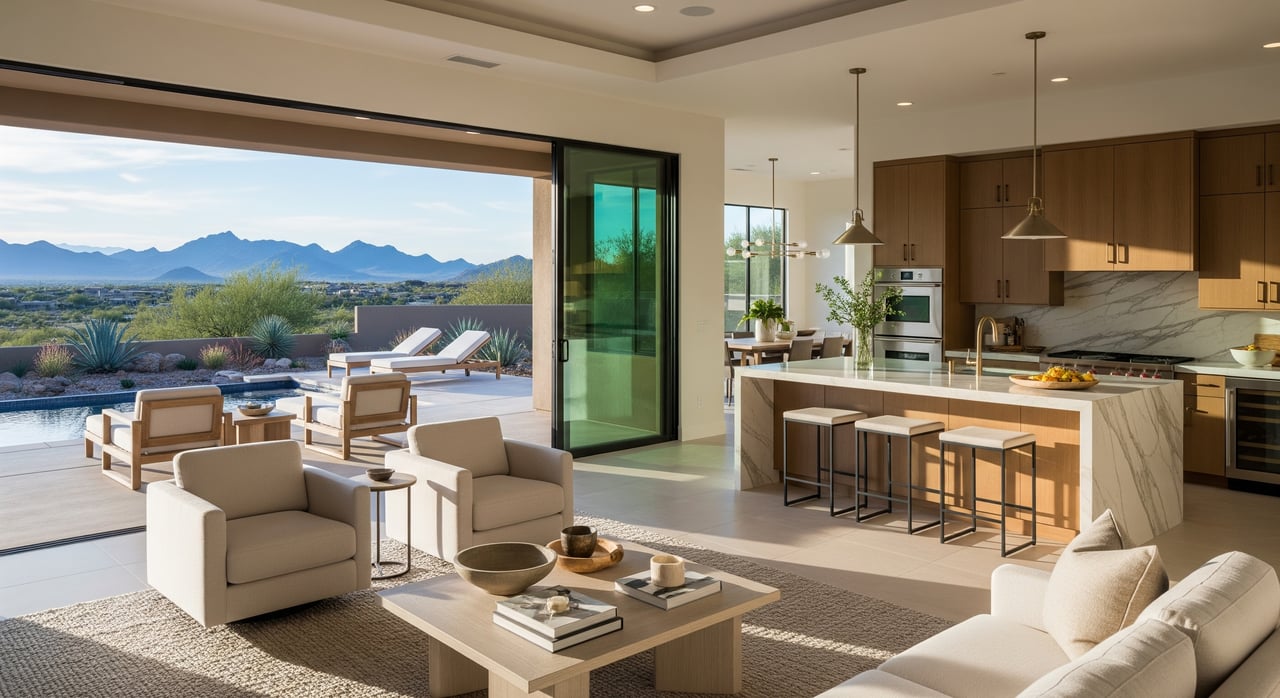
Seen “turnkey” on a Grayhawk listing and wondered what you actually get? If you are eyeing a low‑maintenance home in the Scottsdale area, the word can sound like a promise of easy living. Yet “turnkey” is not a legal term, and what it includes varies widely from one property to the next. This guide shows you how to verify the details that matter, avoid common pitfalls, and buy with confidence in Grayhawk. Let’s dive in.
Turnkey in Grayhawk: The real meaning
In real estate, “turnkey” generally means move‑in ready with no immediate repairs or renovations required. It is an informal label used by sellers and listing agents, not a regulated designation. In Grayhawk, interpretations range from freshly painted and clean to fully remodeled interiors with furnishings, transferred warranties, and true lock‑and‑leave readiness.
Many Grayhawk buyers are lifestyle‑driven and often out of state. You may expect up‑to‑date systems, low‑maintenance landscaping, and even a furnished option so you can enjoy amenities right away. Staged furniture is common in listings, but staging does not mean furnishings are included. Always clarify in writing.
Verify remodel quality
Scope and recency
Ask whether updates are cosmetic or include major systems. Cosmetic work covers paint, flooring, and fixtures. Systems upgrades include roof, HVAC, plumbing, electrical, windows, and sometimes layout changes. For systems, “recent” often means the last 3 to 7 years, while some finishes age faster.
Request a timeline of improvements with dates. Note expected useful life. For example, carpet can last 5 to 10 years depending on quality and use. Understanding the scope helps you avoid paying a turnkey premium for a cosmetic refresh that leaves aging systems untouched.
Permits and licensing
For additions and systems work, verify that required permits were pulled and final inspections approved. Unpermitted work can mean surprise costs after closing. Confirm that licensed contractors performed the work and that license numbers check out.
If the seller cannot provide permit numbers or approvals, treat that as a red flag. Clarify whether permits are city or county based, depending on the specific address. Your goal is to match claimed work to official records.
Warranties and documentation
Ask for copies of manufacturer and contractor warranties, dated receipts, and change orders. Request lien waivers that show contractors have been paid in full. Organized documentation supports the turnkey claim and protects you if issues arise later.
If paperwork is incomplete, negotiate a repair credit or an escrow holdback at closing until documents are delivered. That keeps risk in check while you move forward.
Furnishings versus staging
A home can look “fully furnished” during showings but still be staged with leased items that will be removed. Clarify the difference before you write an offer.
- Request a written inventory of all items included in the sale. Note brands, models, and condition for major pieces and appliances.
- Confirm ownership. Ask if furnishings are owned by the seller, staged, leased, or subject to removal by a third party.
- Decide how items will transfer. Use a bill of sale, assign any applicable warranties, and set a removal or transfer timeline.
A detailed inventory avoids last‑minute surprises and protects your move‑in plans.
Maintenance and service history
Turnkey also means well‑maintained. Ask for age and last service dates for the roof, HVAC units, water heater, pool equipment, appliances, irrigation, and the electrical panel.
Request service logs and invoices. HVAC maintenance records, pool service reports, and termite or pest treatment history help you assess the true condition. Look for signs of deferred maintenance such as staining on ceilings, corrosion at plumbing, or a noisy pool pump.
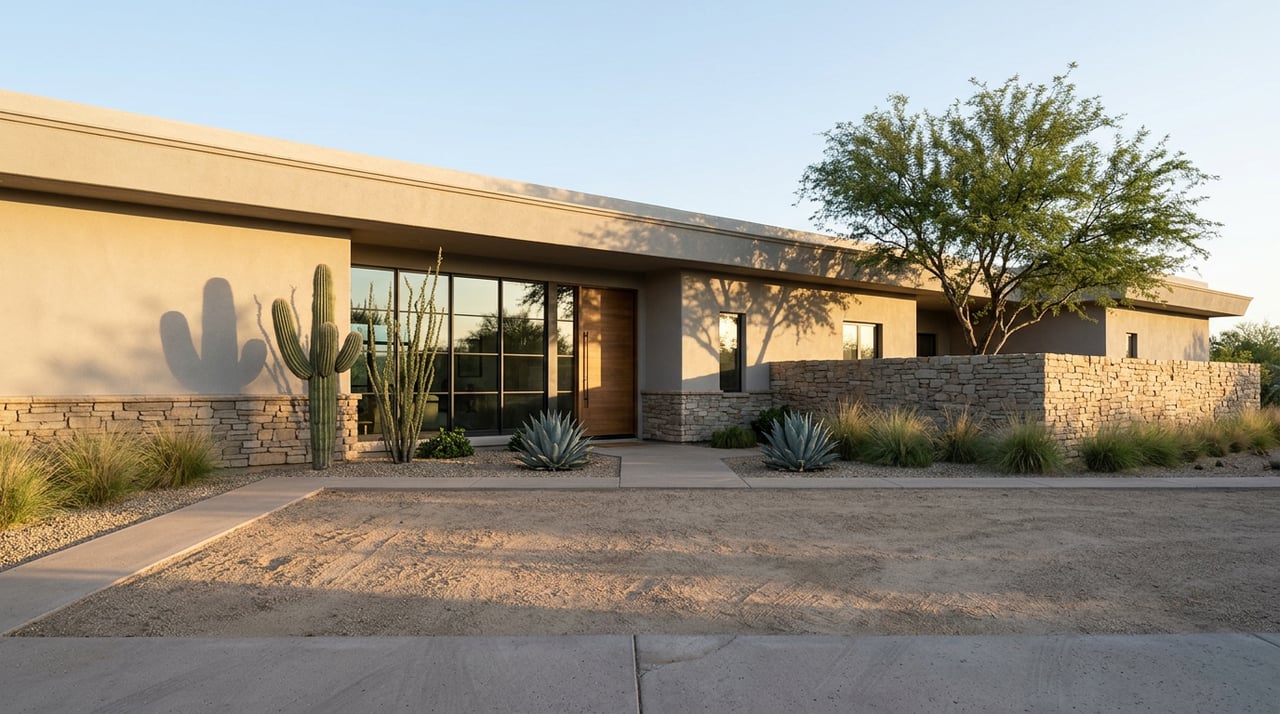
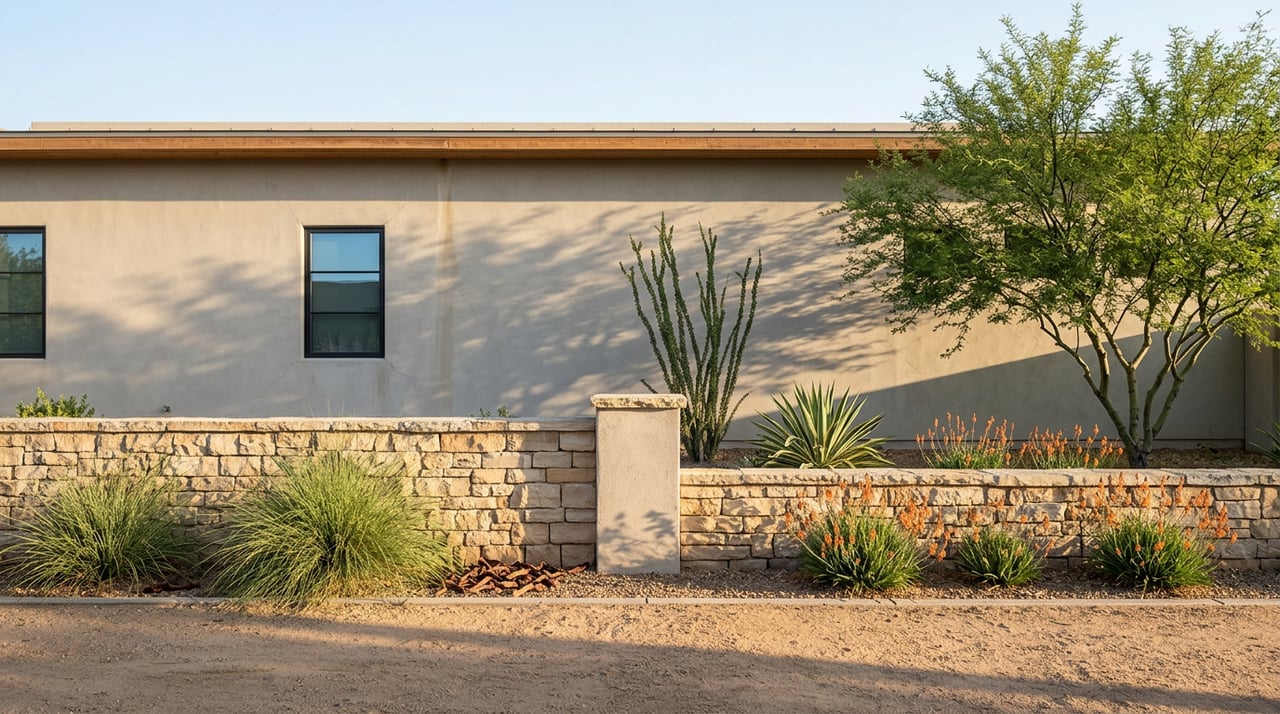
Clarify landscaping. Low‑maintenance desert scape is common, but some homes have turf or higher‑care plantings. If there is an existing landscaping or pool service contract, ask if it can be transferred.
Safety and move‑in readiness
A genuine turnkey home should meet basic safety standards. Confirm working smoke and carbon monoxide detectors, GFCI outlets in required areas, secure handrails, and compliant pool fencing or alarms when applicable.
For homes built before 1978, federal lead‑based paint disclosures apply. Also confirm utilities and internet service status. Ask about transfer fees or deposits so you can arrive to an operational home.
HOA rules and lifestyle fit
Grayhawk is a master‑planned community with multiple associations and village‑level rules. CC&Rs, design guidelines, and supplemental rules may govern exterior changes, pools, patios, solar panels, vehicle parking, and leasing.
HOA fees vary by sub‑association and can cover different services. Some associations handle common‑area maintenance and amenities, while others may include front‑yard landscaping or exterior items for certain product types. Verify exactly what the HOA covers for the specific property you are considering.
If you plan to lease, confirm rental policies early. HOAs may have minimum lease terms or additional requirements. Ask whether the property has a rental history and whether any assessments are pending.
Rental readiness and short‑term rentals
If you intend to rent immediately, check both city and HOA rules. Municipalities can require permits, safety standards, and transient occupancy tax registration. HOA CC&Rs may restrict or prohibit short‑term rentals, even if the city allows them.
Clarify business obligations. You may need local licensing, tax accounts, and compliance with health and safety codes. Verify what is required for the exact address, since rules can change by jurisdiction.
Disclosures, inspections, and protections
In Arizona, sellers typically provide a written property disclosure statement. Review it for past water intrusion, roof leaks, foundation concerns, or pest treatment. Match disclosures to the improvement list and service records.
Order thorough inspections. At minimum, schedule a general home inspection, plus roof, HVAC, pool or spa, and termite inspections. A sewer scope can be helpful for older lines. For out‑of‑state buyers, give yourself clear timelines and walk‑through rights.
Build contingencies that protect your goals. You can include targeted trade inspections, time to review HOA documents, and provisions for repairs or credits. A strong process turns a glossy “turnkey” label into real peace of mind.
Smart negotiation and contract language
Treat included items and documentation as negotiable points. Clear language prevents misunderstandings and protects your investment.
- Add an inventory and inclusion schedule that lists every item represented as included. Note keys, gate remotes, garage openers, and amenity passes.
- Require the seller to provide permits, receipts, and warranties prior to closing. If items cannot be verified, request a credit or escrow holdback.
- Include an HOA review contingency to confirm fees, services, rental rules, and any planned assessments or litigation.
- Strengthen the final walk‑through clause. Allow time to confirm condition, test systems, and verify included items remain on site.
Turnkey buyer checklist
Questions to ask at showings
- Are any furnishings staged or rented, and which items are included in the sale? Can we get a written inventory now?
- What is the date and scope of the most recent major remodels? Who performed the work and are there permits, receipts, and warranties?
- What are the age and last service dates for roof, HVAC units, water heater, pool equipment, and major appliances?
- Are there any outstanding repairs, active work orders, or pending HOA assessments?
- Has the property had water intrusion, foundation work, major pest damage, or structural repairs? Can you provide documentation?
- Is the property currently rented or under a management agreement? Are there existing short‑term rental permits or applications?
- What does the HOA cover for this home? Any special assessments planned?
- Are there known easements, encroachments, or title issues?
- Are utilities currently on and transferable? What are typical monthly utility costs and HOA dues?
- Which keys, remotes, alarm codes, and amenity passes are included?
Documents to request
- Seller Property Disclosure Statement
- HOA CC&Rs, bylaws, rules, recent meeting minutes, budgets, reserve study, rental policy, and recent dues invoices
- Copies of permits and final inspection approvals for remodels and major repairs
- Contractor invoices, lien waivers, and manufacturer or contractor warranties
- Recent inspection reports, termite reports, and pool inspection or service logs
- Utility bills for the last 12 months and average HOA statements
- Bill of sale for included furnishings, detailed inventory list, and notation of any leased items
- Property loss history, if significant claims were made
- Preliminary title report and recorded easements
- Documentation of any rental permits, tax registrations, or business licenses if you plan to rent immediately
Final walk‑through checks
- Confirm all included items remain and match the inventory list
- Test HVAC, appliances, water heater, garage door openers, pool equipment, and irrigation
- Verify transfer of all keys, remotes, gate codes, and HOA access credentials
- Collect manuals, spare remotes, and warranty documents
How this plays out in Grayhawk
A truly turnkey Grayhawk home should let you step off the plane and relax. Think recent system updates with permits and warranties, owned furnishings conveyed through a clear bill of sale, and documented service records for HVAC, pool, and irrigation. Low‑maintenance desert landscaping and transparent HOA coverage keep upkeep simple. If leasing is part of your plan, verified rules and licenses help you go live quickly and compliantly.
The through line is clarity. When you verify scope, paperwork, inclusions, and rules, the “turnkey” promise becomes real. That is how you enjoy Grayhawk’s lifestyle without surprise projects or delays.
If you want a curated list of true turnkey options and a streamlined path to closing, connect with a local advisor who blends design sensibility with a process‑driven approach. For thoughtful guidance tailored to Grayhawk and the surrounding North Scottsdale communities, reach out to Ranee Jacobus. Schedule a Private Consultation.
FAQs
What does “turnkey” mean for Grayhawk homes?
- It signals move‑in ready, but it is not a legal standard. Verify systems, permits, warranties, and inclusions to confirm the home matches your expectations.
How can I tell if furnishings are included?
- Ask for a written, itemized inventory and a bill of sale. Staged or leased items are not included unless specifically conveyed in writing.
What should I check about remodeling work?
- Confirm scope, dates, permits, licensed contractors, receipts, and warranties. For systems, look for updates within the last 3 to 7 years when possible.
What HOA questions matter most in Grayhawk?
- Clarify fees, what they cover, rental rules, and any planned assessments. Also review CC&Rs, design guidelines, and village‑level rules for your sub‑association.
Can I use a Grayhawk home as a short‑term rental?
- It depends on both city and HOA rules. Verify permits, safety requirements, and tax registrations, and confirm that the HOA allows short‑term leasing.
Which inspections do I need for a “turnkey” purchase?
- Order a general inspection plus roof, HVAC, pool or spa, and termite inspections. Consider a sewer scope for older areas, then match findings to disclosures and service records.