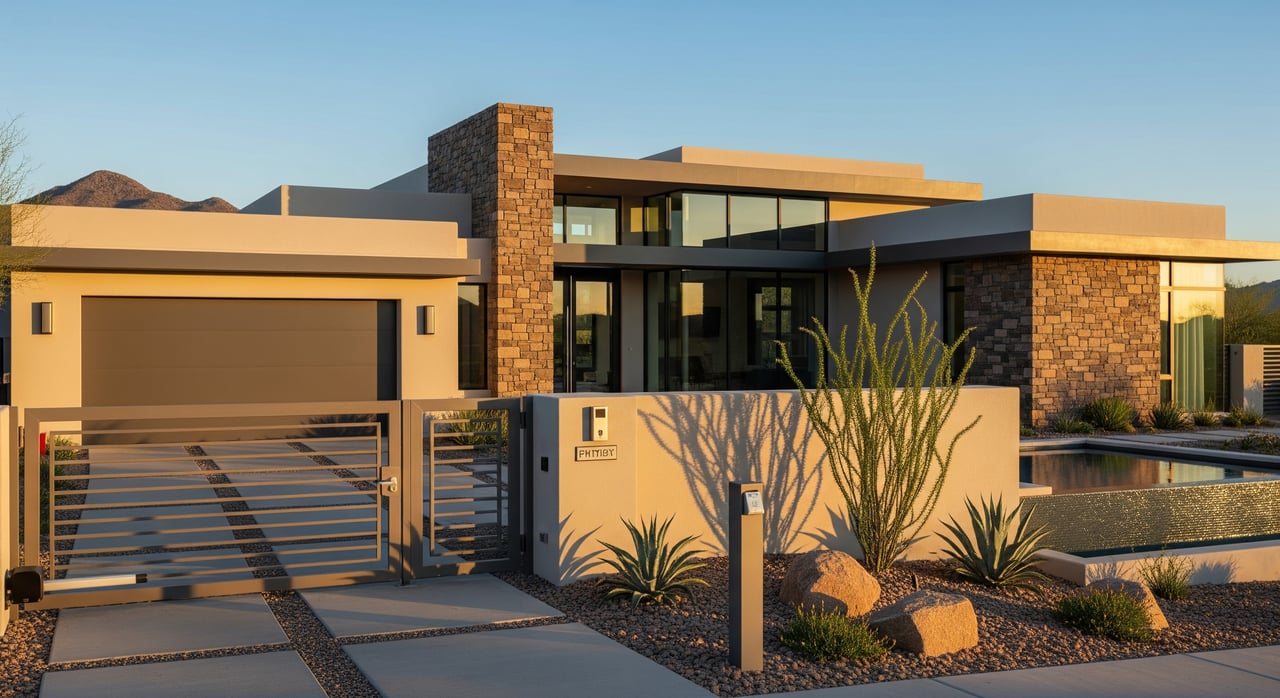
Wish you could lock the door in April, fly home, and not worry about your place until next winter? If you split your time between the desert and another home, that peace of mind is priceless. In Paradise Valley Village and nearby North Scottsdale, many buyers look for homes designed for easy departures and stress-free returns. This guide breaks down what “lock-and-leave” really means here, how HOAs and services work, and what to verify before you buy so your home stays protected while you are away. Let’s dive in.
What lock-and-leave means here
A lock-and-leave home is set up so you can secure it and be gone for weeks or months without hands-on upkeep. In our desert climate, that usually means reliable community services, pre-arranged vendors, and smart monitoring that keep things running through extreme summer heat and monsoon season. Your home should be operable and protected while unoccupied, then ready the moment you arrive for winter.
Unlike a full-time residence, you are not handling daily upkeep or emergency fixes. Unlike a vacation rental, you are not hosting guests or managing bookings and taxes. The setup is about convenience, safety, and systems that work in hot, stormy months when you are away.
Local climate priorities
Paradise Valley Village and North Scottsdale see very hot summers, with highs often above 100°F, plus a distinct monsoon season from roughly July through September that brings intense wind, rain, and localized flooding. That makes HVAC reliability, roof and drainage performance, irrigation, and pool care critical while you are gone. Freeze risk is lower than northern markets, but occasional cold snaps can happen, so year-round checks still matter. Properties near natural desert areas should also consider defensible space and fuel-reduction programs.
Core lock-and-leave features
Look for homes and communities that emphasize low maintenance and secure access:
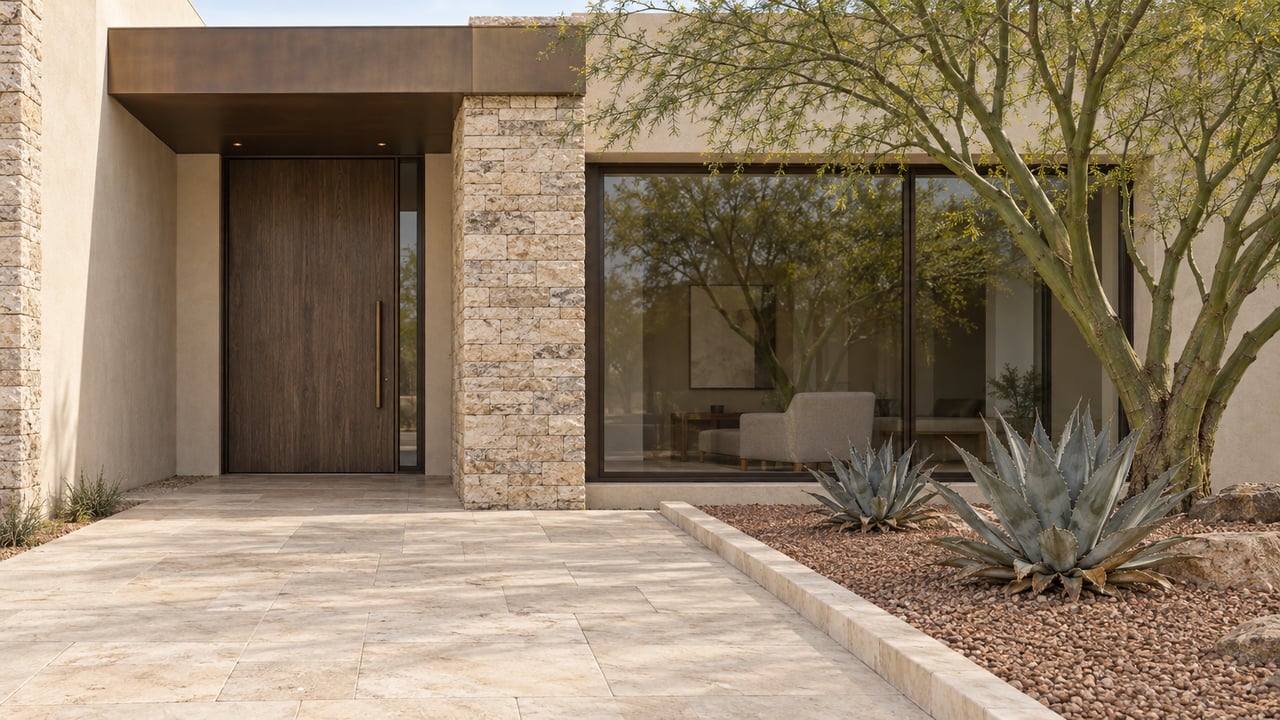
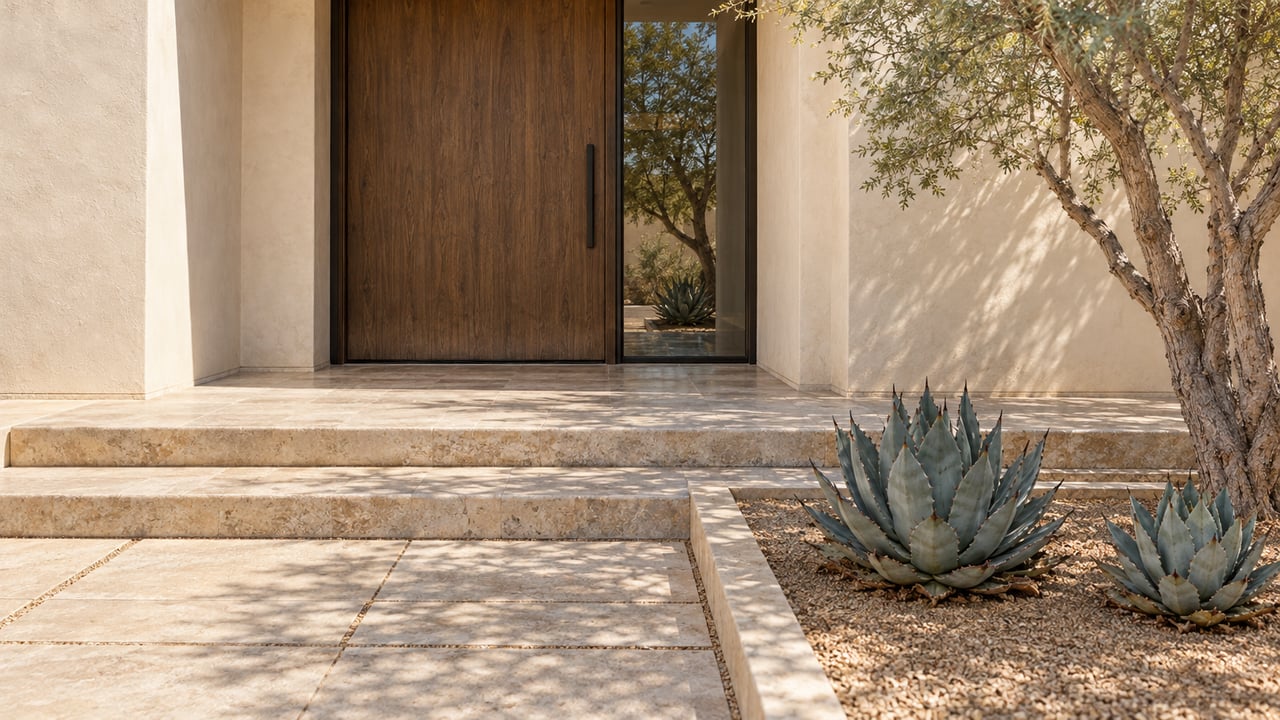
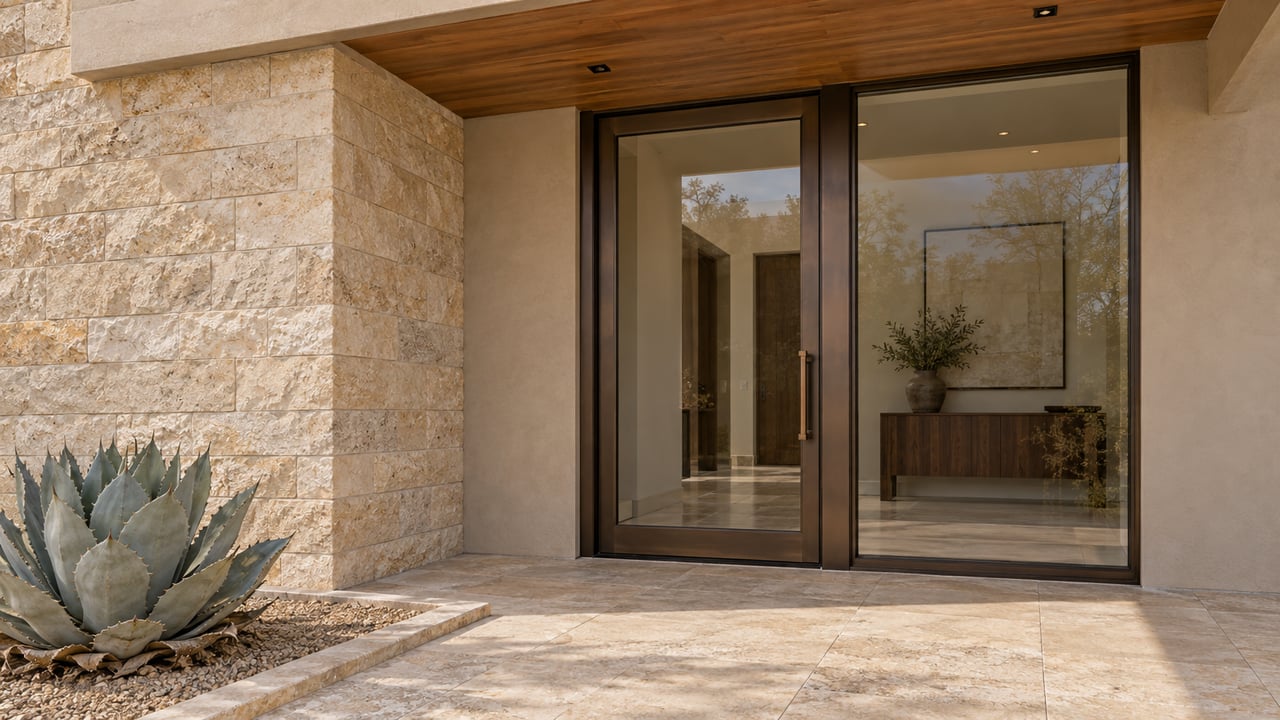
- Low-maintenance exteriors: stucco, desert-adapted plants, pavers, and minimal turf.
- Enclosed parking and controlled access, such as gated or guard-gated entries.
- Community-handled exterior items: roof, paint, landscaping, irrigation, and shared pools.
- On-site staff or a community manager who can coordinate vendors and small repairs.
- Smart-home systems: remote thermostat, smart locks, cameras, leak sensors, and smart irrigation.
- Clear HOA rules that allow third-party property managers and vendor access while you are away.
HOA models and what they cover
Different communities offer different levels of service. Your dues usually match the convenience level:
- Condominiums and townhomes. Often the HOA covers building exteriors, roofs, common-area utilities, landscaping, and shared pools. You focus on the interior. This setup is among the most lock-and-leave friendly.
- Master-planned gated communities. A master HOA handles gates, streets, perimeter landscaping, and amenities. Sub-associations or individual owners may handle yards, pools, and exterior paint.
- Smaller HOA subdivisions. The HOA manages common areas while individual owners maintain their lots and any private pools.
- Luxury enclaves. Some offer guard services and optional property management packages for a higher-touch experience.
When you compare dues, look at what they include. Higher dues can signal more on-site staff, stronger security, and fuller exterior maintenance, which can be worth it if you want minimal hands-on work.
What to verify before you buy
Use this checklist to evaluate lock-and-leave readiness:
- Review CC&Rs, bylaws, and rules for rental limits, vendor access, and gate procedures.
- Study the HOA budget and reserve study. Look for healthy reserves for roofs, gates, paving, and major systems. Ask about recent or upcoming special assessments.
- Understand insurance responsibilities. Clarify what the HOA master policy covers versus what you must insure, such as interiors, windows, or roof.
- Ask about on-site staff hours and emergency protocols. Confirm if there is a preferred vendor list.
- Confirm access rules. How are vendor passes, property manager credentials, and visitor permits issued?
- Evaluate climate risk. Check drainage, roof condition, and any flood-prone areas.
- Inspect irrigation and pool systems. Request service history and consider remote controllers and auto-shutoff valves.
- Check rules on visible security cameras and exterior devices.
- Confirm mail and package handling, from package rooms to concierge procedures.
- Discuss vacancy clauses with your insurer and get endorsements for extended absences if needed.
- Identify a local contact or licensed property manager for periodic checks.
- Budget for ongoing costs like HOA dues, pool and irrigation service, smart-home subscriptions, and seasonal maintenance.
Smart tech that makes it work
Smart devices can reduce risk while you are away, especially when paired with human oversight:
- Smart locks with temporary codes for vendors and house sitters.
- Security cameras and a monitored alarm with clear contact protocols.
- Remote thermostats for protective AC settings without wasting energy.
- Leak sensors near water heaters, AC coils, and pool equipment, with auto-shutoff when possible.
- Smart irrigation linked to weather data and moisture sensors.
- Smart garage door monitoring for open-close alerts.
- Energy monitoring to catch unusual power usage that could signal a problem.
Best practice: use secure, encrypted systems with two-factor authentication, and create separate manager logins instead of sharing your credentials. Test everything before your first extended absence, and make sure someone local is ready to respond to alerts.
Insurance details to confirm
Many homeowners policies limit or change coverage when a home is unoccupied for an extended period, commonly 30 to 60 days. Before you leave for the summer, talk with your carrier about vacancy or home-watch endorsements and any inspection requirements. Monitored alarms, documented maintenance, and periodic inspections can help, but policy terms vary by insurer. Get confirmations in writing.
Costs and tradeoffs
Lock-and-leave convenience usually comes with higher recurring dues or management fees. You are paying for on-site staff, strong maintenance, and security infrastructure that reduce personal involvement. Plan for preventive maintenance like HVAC servicing, irrigation checks, and pool care. Good systems and reliable vendors cost money, but they lower risk in extreme heat and monsoon storms.
Lock-and-leave vs other ownership types
- Full-time residence. You handle daily upkeep and fast fixes. Less reliance on community services.
- Vacation rental. Guest turnover and tax considerations change your insurance and management needs.
- Long-term rental. Often professionally managed for income, not for personal seasonal use.
If you want personal winter use with smooth departures in spring, focus on communities built for seasonal owners rather than rentals.
Access, gates, and vendor logistics
Gate policies and on-site staff make a big difference. Ask if gates are staffed 24/7 or limited hours, how vendor credentials are issued, and whether property managers receive standing access. Clarify emergency repair procedures for water intrusion or storm damage, and whether the community manager can coordinate vendors when you are away.
Get summer-ready: a quick action list
- Schedule pre-summer HVAC service and confirm your remote thermostat settings.
- Program smart irrigation for heat and monsoon patterns, and test leak sensors.
- Set pool service for chemical balance during the hottest months.
- Inspect roof, gutters, and lot drainage before monsoon season.
- Set up mail and package handling through approved community processes.
- Assign a local contact or licensed property manager for periodic walk-throughs.
Your next step
If you want a winter home that is easy to arrive to and even easier to leave, focus your search on communities and floor plans designed for seasonal living. A lock-and-leave setup in Paradise Valley Village or adjacent North Scottsdale can give you comfort, privacy, and more time to enjoy the season. For guidance on communities, HOA structures, and the right service mix for your lifestyle, connect with Ranee Jacobus.
FAQs
What is a lock-and-leave home in Phoenix?
- It is a property configured for extended absences using HOA services, vetted vendors, and remote monitoring so you can secure the home and go without day-to-day upkeep.
How do HOA dues affect convenience?
- Higher dues often fund exterior maintenance, gate staffing, and on-site management, which increase lock-and-leave ease while reducing your personal involvement.
What smart devices help absentee owners?
- Smart locks, cameras, monitored alarms, remote thermostats, leak sensors with auto-shutoff, smart irrigation controllers, and garage door monitors are all useful.
What does Arizona monsoon season mean for my home?
- From roughly July to September, intense storms bring wind and heavy rain, so roof, drainage, irrigation, and pool systems must be ready before you leave.
Will my insurance cover a summer absence?
- Many policies change coverage after 30 to 60 days unoccupied; talk to your carrier about endorsements, inspection requirements, and documented monitoring.
What should I ask an HOA before buying?
- Ask what dues cover, gate and vendor policies, reserve study health, any special assessments, and emergency protocols for storms or water intrusion.
Condo or detached: which is better for lock-and-leave?
- Condos often include the most exterior maintenance in dues, while detached homes vary; the best fit depends on your desired convenience and budget.